
GxP-compliant eBR workflows with less review and change effort
Compliance by design for QA, without losing operational flexibility. For Quality Assurance, CSV and responsible roles in regulated production environments.
Our References

Especially in validated environments, digitization itself is rarely the problem - the real issue is the lack of changeability afterwards.
Andreas Nicklas in the PHPRO interview
From bottleneck to change routine
Experience from regulated production environments:
- Implementation of GxP-related IT systems in pharma and chemicals
- Audit-ready digital evidence chains instead of paper-based documentation
- Practical solutions for QA, CSV and GMP stakeholders
The QA challenge
- High manual review effort for paper-based batch documentation
- Unstructured data makes review by exception difficult
- Changes to manufacturing processes trigger new validation cycles
- Traceability and evidence chains are time-consuming to establish
The solution: anicomply for QA & GMP
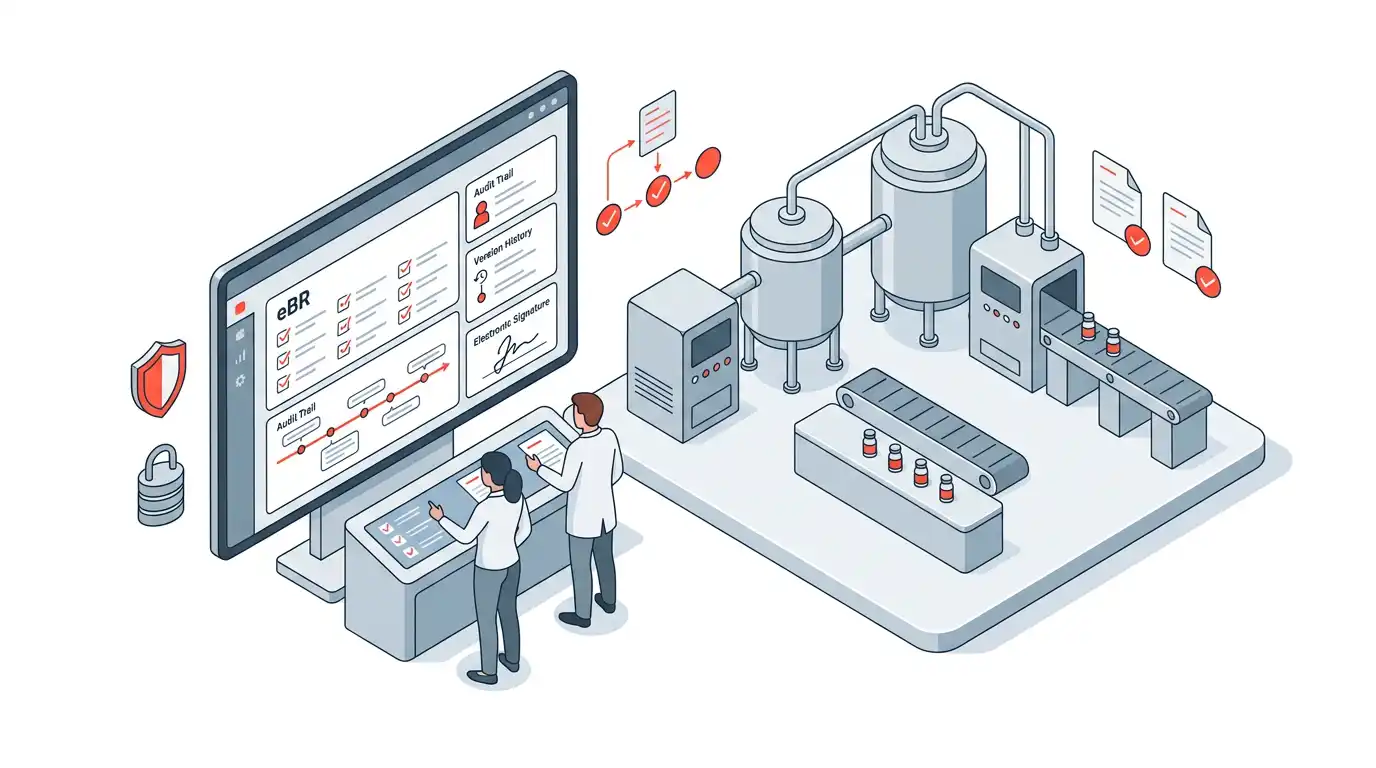
anicomply supports GxP requirements through compliance by design.
Audit trail, eSignatures, versioning and four-eyes principle are integral components - not add-ons introduced afterwards.
Your benefits for QA
| QA requirement | With anicomply |
|---|---|
| Traceability | Complete digital evidence chain |
| High review effort | Review by exception |
| Complex changes | Controllable changes |
| Validation pressure | Reduced revalidation effort |
| Audit stress | Better auditability |
Key QA value points
Compliance by design instead of compliance as additional effort
Structured digital data instead of confusing documents
Review by exception for more efficient batch release
Manageable changes even during validated operation